
mirror sheet for cupboard
A Comprehensive Guide to Rails Machine Learning Integration In today's rapidly evolving tech landscape, the blending of machine learning (ML) with traditional web applications is becoming increasingly essential. Among popular web development frameworks, Ruby on Rails (often simply Rails) stands out for its simplicity and efficiency in building robust applications. This article serves as a comprehensive guide to integrating machine learning into Rails applications, ensuring that developers can leverage powerful algorithms while maintaining the framework's inherent strengths. Understanding Rails and Machine Learning Ruby on Rails is a web application framework written in Ruby. It follows the MVC (Model-View-Controller) architecture, facilitating a clean separation of concerns that simplifies the development process. When it comes to ML, Rails can be enhanced using various libraries and APIs that allow you to incorporate predictive analytics, natural language processing, and other advanced functionalities. Prerequisites for Integration Before diving into integration, developers should have a fundamental understanding of 1. Ruby on Rails Framework Familiarity with Rails conventions, gems, and how to build basic applications. 2. Machine Learning Concepts Understanding of ML theories and practices, as well as hands-on experience with libraries such as TensorFlow or Scikit-learn. 3. Data Manipulation Skills Proficiency in handling data using tools like Pandas or NumPy, which may be needed for preprocessing and cleaning data before feeding it into ML models. Steps to Integrate Machine Learning with Rails machine guide rails 1. Choose a Machine Learning Library Depending on your project requirements, select a suitable ML library. Options like TensorFlow, PyTorch, or even APIs like Google Cloud ML can be utilized. Consider using Python scripts or microservices to run your ML models, as Rails is primarily a Ruby framework. 2. Data Preparation Gather and preprocess the data necessary for your ML models. You can use Active Record in Rails to manage database interactions and extract relevant data for training. 3. Building the Model If you choose to use Python, you might construct your model using libraries like Scikit-learn or TensorFlow. Train your model with your prepared dataset and save the trained model to a file. 4. Creating Endpoints Set up API endpoints in your Rails application to interact with your ML model. You can make use of gems like ‘Grape’ or ‘Rails API’ to create lightweight RESTful interfaces. 5. Integration Use system calls to invoke your ML model from the Rails application, or, alternatively, deploy your model as a microservice that your Rails app can communicate with via HTTP requests. 6. Deploying the Application Lastly, deploy your Rails application alongside your ML service. Services like Heroku, AWS, or DigitalOcean can be used for a seamless deployment experience. Conclusion Integrating machine learning with Ruby on Rails opens up a world of possibilities, enabling developers to create innovative applications that learn and adapt over time. By following the outlined steps and ensuring a solid grasp of both Rails and machine learning concepts, developers can enhance their applications, offering richer user experiences and more impactful insights. As technology continues to progress, the ability to harness the power of machine learning will undoubtedly remain a crucial advantage in the realm of web development.
about
mirror sheet for cupboard
The Importance of Right Angles in Measurement A Focus on the Ruler In the world of geometry, few concepts are as fundamental as the right angle. Defined as an angle of exactly 90 degrees, the right angle serves as a cornerstone for various fields, including architecture, engineering, and design. When we integrate this concept with traditional measuring tools, such as a ruler, we find a powerful instrument that has shaped our understanding of space and structure. A ruler is one of the most ubiquitous measuring devices. Typically a flat, elongated strip marked with units of measurement, it is an essential tool used in both educational settings and professional environments. Its primary function is to provide accurate measurements, but when it comes to the right angle, a ruler takes on an additional role as a guide for drawing, aligning, and constructing designs. Rulers that come equipped with a right-angle feature, commonly known as a T-square or a right-angle ruler, are particularly valuable. These tools have an arm that extends to form a precise 90-degree angle with the main body of the ruler. This feature is crucial for ensuring that lines and edges are straight and true . For example, in architectural design, the act of creating blueprints necessitates an exact understanding of angles. Using a ruler with a right-angle feature allows architects to form perfect corners, which dictate the overall integrity and aesthetic appeal of a structure. ruler with right angle In woodworking, the importance of right angles becomes even more pronounced. A woodworker relies on the precision of measurements to create joints that fit seamlessly together. Any deviation from a right angle can lead to defects, wasted materials, and project delays. Many woodworkers utilize square rulers, which provide immediate visual confirmation of right angles. When used alongside a standard ruler, this combination allows for the meticulous crafting of furniture and other wooden constructs. Moreover, the use of right-angle rulers extends beyond the realms of construction and design. In mathematics, the concept of a right angle plays a vital role in trigonometry and the Pythagorean theorem. By studying right triangles—triangles that contain a right angle—students can explore the relationship between the lengths of the sides and their angles. This mathematical exploration often utilizes rulers to draw triangles accurately, ensuring the sides align perfectly to form the right angles. In digital design, the relevance of right angles remains significant. Graphic designers often use software that replicates the functionalities of a ruler, allowing them to create precise layouts for websites, posters, and advertisements. The right angle ensures that elements are properly aligned, contributing to a visually pleasing and accessible design. Simultaneously, the digital realm introduces the concept of grids, where squares and rectangles embody right angles, further demonstrating their ubiquity in both real and virtual environments. In conclusion, the ruler serves as more than just a tool for measuring length; it is a vital element in ensuring precision and accuracy, especially when dealing with right angles. Whether in building, woodworking, mathematics, or digital design, the significance of right angles is undeniable. Their enduring presence across various fields highlights the importance of mathematical concepts in shaping our interaction with the world. The humble ruler, enhanced with the right-angle feature, remains an indispensable guide as we strive for accuracy and precision in our creations.
-

High quality industrial productsagement

High quality industrial products
View Details -

Meet the diverse needs of customers

Meet the diverse needs of customers
View Details -

Strict quality control

Strict quality control
View Details -

Top raw materials

Top raw materials
View Details -

Trusted supplier

Trusted supplier
View Details
Our application


news and information
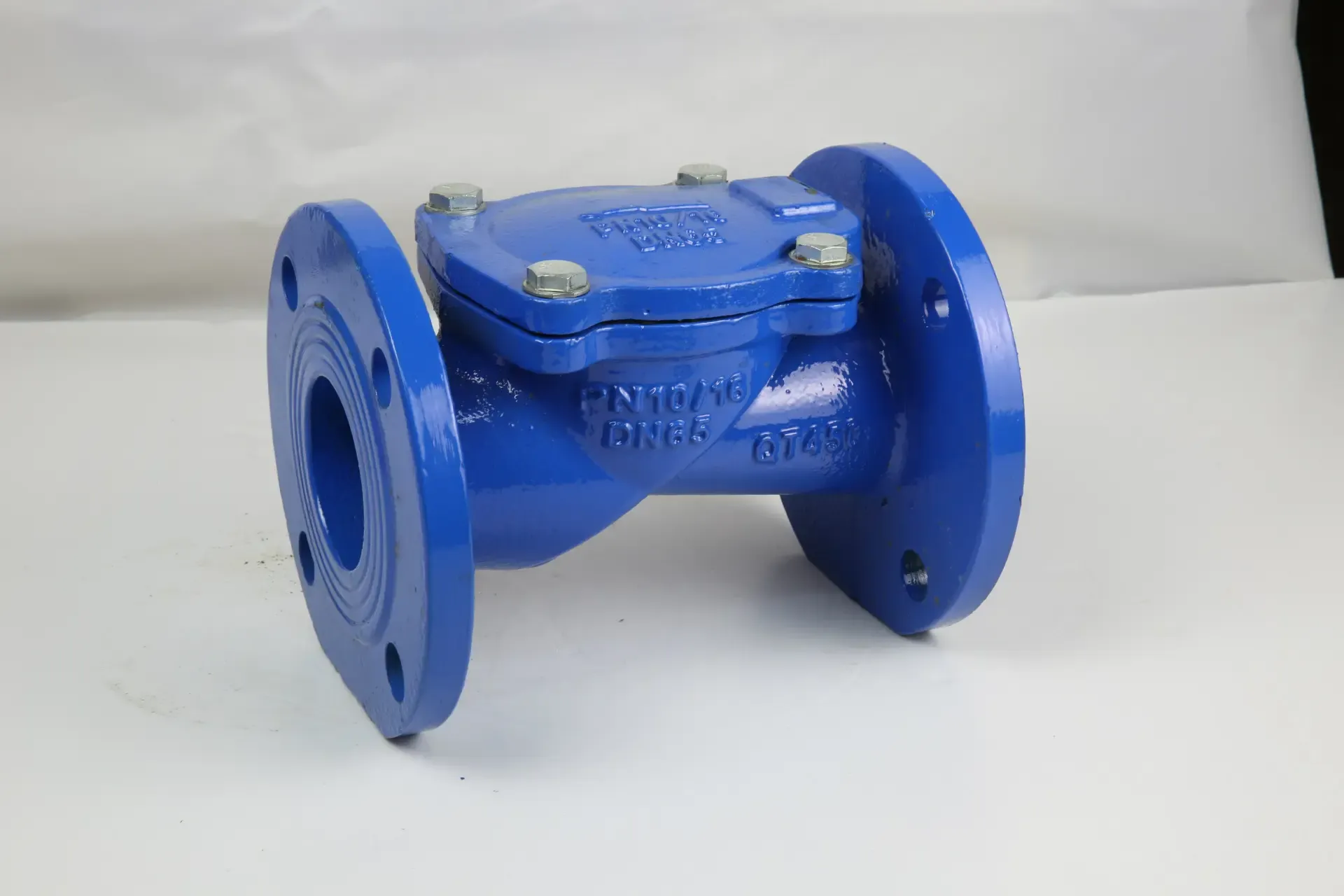
Y Type Strainer Applications and Benefits for Efficient Fluid Management
The Importance of Y-Type Strainers in Industrial Applications Y-type strainers play a crucial role i

vanne de porte
Les vannes sont des composants essentiels dans les systèmes de tuyauterie et de distribution de flui
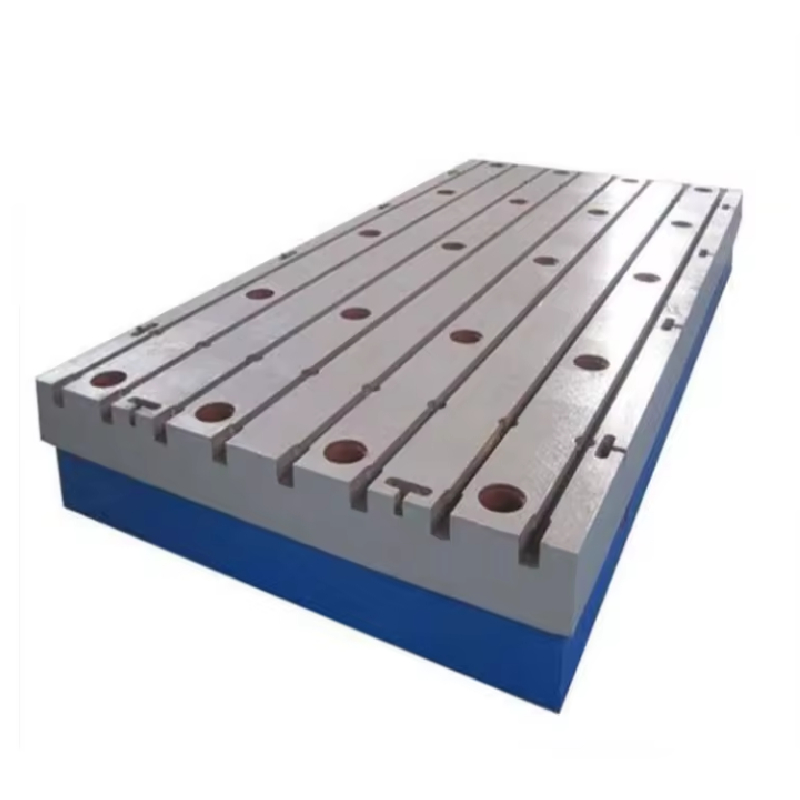
Versatile 5x10 Foot Welding Table for Efficient Metalworking Projects and Fabrication
The Importance of a 5x10% Welding Table in Modern Metal Fabrication Welding is an essential process
 English